
ROOFING ADVICE
Why Does My Roof Leak Only in Heavy Rain?
Why heavier or wind-driven rain can reveal a roof defect, what the pattern can tell you, and the next steps you can take safely.
A roof that stays dry in a light shower can still leak when rain becomes heavier, lasts longer or arrives on the wind. More water may reach a vulnerable detail, or it may reach it from a different angle. That can expose a defect which is less noticeable in ordinary rain.
The weather pattern is a useful clue, but it cannot tell you exactly where the roof has failed. A valley, a chimney junction or a displaced slate can produce similar symptoms indoors. The important next step is to identify the entry point before deciding on the repair.
Why heavier rain can reveal a leak
Heavy rain puts more water onto the roof in a short period. Valleys, gutters and outlets have to carry that water away. A restricted drainage route or a defective joint may become a problem when more water passes through it.
Prolonged rain is slightly different. A small amount of water entering over several hours may take time to show as a damp patch or drip. A dry ceiling after a short shower does not prove that the roof is sound.
The roof covering and the details around it work together. Slates or tiles shed rain, while flashing protects junctions and the underlay beneath the covering provides another layer of protection. A defect in one part needs to be considered alongside the surrounding roof.
Why wind direction can make a difference
Wind-driven rain reaches a roof differently from rain falling more vertically. It can expose vulnerable overlaps, edges and junctions which receive less water in calmer weather.
You might notice a leak during windy rain but not during an equally wet, calmer day. Record that pattern if you can, but do not assume that a particular wind direction identifies a particular defect. The roofer still needs to assess the roof and its details.
Why the damp patch may appear later — or somewhere else
Water can travel beneath the covering and along parts of the roof construction before becoming visible indoors. The stain on a ceiling may therefore be some distance from the point where rain first entered.
This also explains why a drip can continue after the rain eases: water which has already entered may still be making its way through. The delay does not, on its own, establish where the leak began.
Patching directly above an internal damp mark can miss the cause. Roof leak assessment and repairs should consider the surrounding roof rather than only the visible stain.
Roof details that may need investigation
These are possible areas to investigate, not a diagnosis of your roof.
Valleys
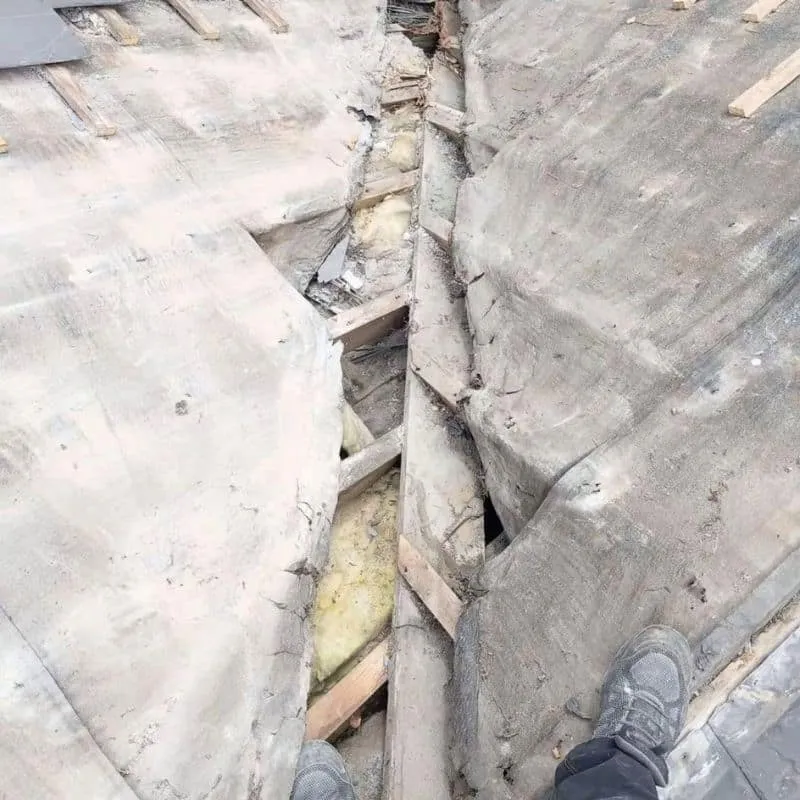
A valley is the channel where two roof slopes meet. It collects water from the surrounding roof and carries it downwards. Defects in the valley or its adjoining details can allow water beneath the covering.
Our Cork roof valley repair project shows a failed valley exposed after the surrounding slates were lifted. The documented work included a new timber base and membrane before the valley and covering were reinstated. The photographs show the condition beneath the slates and the work needed to renew the valley.
Chimneys and other junctions
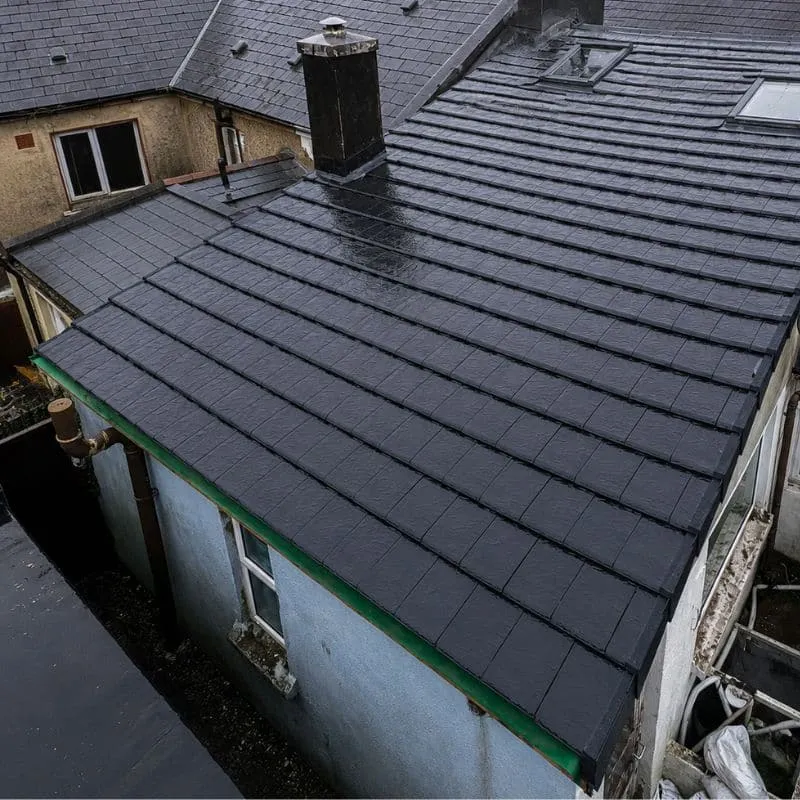
Flashing is the material used to help keep water out where roofing meets a chimney, wall or another adjoining part of the building. Damage or defects around these junctions may allow rain into the roof. A mark near a chimney is a reason to investigate the junction, not proof that the chimney is the source.
Dormers
Dormers introduce additional roof edges and junctions. Both the visible covering and the layers beneath it may need assessment.
On our natural-slate dormer roof repairs in Cork, the coverings were removed so the roof sections could be inspected and rebuilt with new breathable membrane and pressure-treated battens. The project demonstrates why the covering may need to be lifted to reach a failed layer. These examples show roofing defects and repairs; the rainfall pattern still needs to be assessed for your own property.
Slates, tiles and underlying materials
Broken, missing or displaced slates and tiles can leave parts of the roof vulnerable. The condition of the underlay, battens and adjoining details also matters. A single damaged tile and widespread deterioration are different problems and may require different scopes of work.
Gutters, outlets and drainage
Blocked or restricted drainage can cause overflow during heavier rainfall. Water around a wall or roofline may involve guttering or a junction rather than a failure in the middle of the roof. The roof and its drainage need to be assessed together where relevant.
Useful observations you can make safely
You do not need to go onto the roof or into an unsafe roof space to help explain the problem. From a safe position, note:
- Whether the leak happens in a short downpour, prolonged rain or windy weather.
- Whether the wind direction seems to make a difference.
- Where staining or dripping first appears, and whether it spreads.
- How long it takes to appear after rain begins, and whether it continues afterwards.
- Whether the same problem has happened before or previous repairs have been attempted.
Photographs of the internal staining or dripping can be helpful. If a displaced slate or overflowing gutter is visible from the ground, you can mention it, but do not climb a ladder or onto the roof to get a closer photograph.
When to call about an urgent leak
Active water ingress that is spreading or damaging the property needs prompt attention. Keep away from water near electrical fittings and from a bulging or visibly damaged ceiling; seek appropriate professional help rather than attempting a hazardous repair.
Safeguard provides a 24-hour emergency roofing call-out service. Call Anthony on 085 235 4242 to explain what is happening and discuss attendance arrangements. Weather, safe access and the condition of the roof affect what can be done; calling does not imply a guaranteed response time or a permanent repair on the first visit.
If the leak has stopped and there is no immediate danger, arrange an assessment rather than waiting for the next spell of heavy rain to see whether it returns.
Find the defect before agreeing the repair
The rainfall pattern, internal damage and any previous repairs help establish what needs to be investigated. Assessment may involve the covering, valleys, flashing, junctions and drainage, with opening-up where necessary to understand the condition beneath.
The appropriate repair follows from those findings. An isolated defect may be repairable without replacing the entire roof, while wider deterioration can require more extensive work. A leak is not a diagnosis, and its cause may not be apparent immediately.
Once the scope is understood, our roof repair cost guide explains indicative budgeting ranges and the factors that affect a quotation. It cannot price an unidentified leak from the weather pattern alone.
Need Help With a Roof Leak in Cork?
Tell Safeguard when the leak happens, where you see water and whether the problem has returned after previous work. We carry out roof repairs across Cork City and County and can discuss the next step for your property. Contact Anthony about your roof to arrange advice or a quotation.
How Often Should You Have Your Roof Inspected in Ireland?
There isn't one inspection interval suitable for every roof. Its age, condition, exposure, previous repairs and recent damage all influence when professional assessment may be worthwhile.
Read the article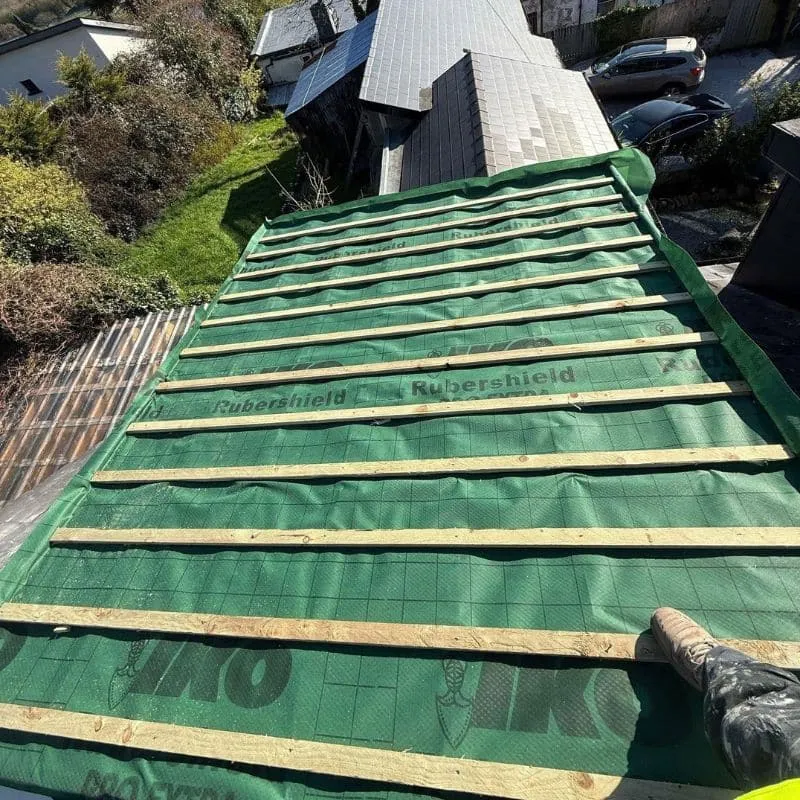
Can Broken or Slipped Roof Slates Be Replaced?
Individual damaged slates can often be replaced where surrounding materials are suitable and compatible replacements are available. Problems with battens, underlay or nearby junctions can make the repair more involved.
Read the article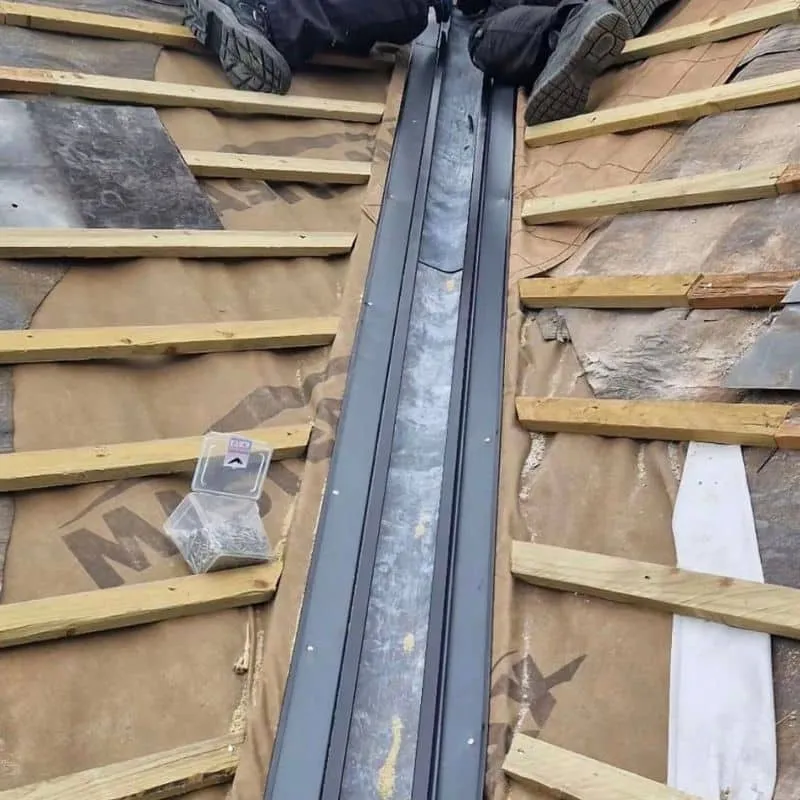
Why Do Roof Valleys Leak, and Can They Be Repaired?
Roof valleys channel water where two slopes meet. Damage to the valley or adjoining details can allow water in, but the position of an indoor damp patch doesn't necessarily identify the entry point.
Read the article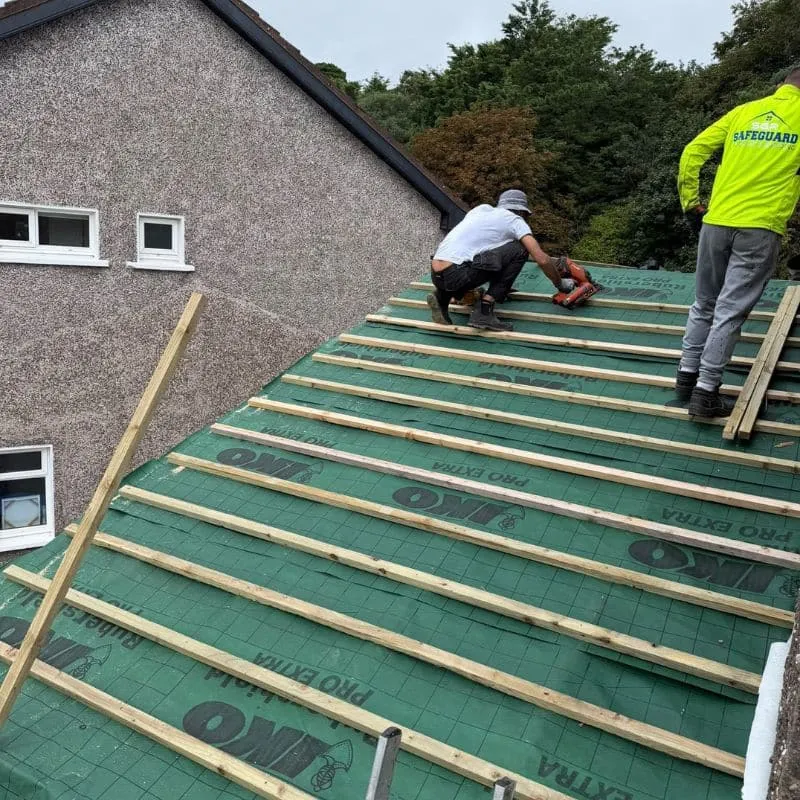
How Do You Know When Your Roof Needs Replacing?
A damaged slate or a single leak doesn't automatically mean a new roof is needed. The question is whether the issue is isolated or whether the covering and underlying system are failing across a wider area.
Read the article Roof Leaking During a Storm? What to Do Before a Roofer Arrives
If water is coming through during a storm, safety comes first. Keep away from wet electrics, unstable ceilings and the roof itself. Where safe, protect belongings, note what is happening and contact a roofer with your location and symptoms.
Read the article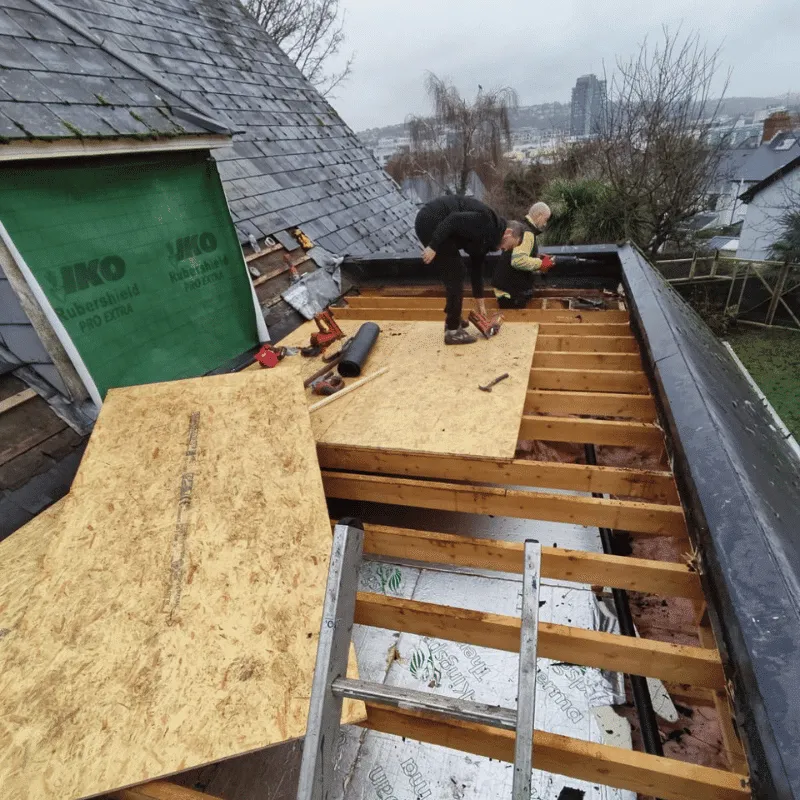
Can a Flat Roof Be Repaired Without Replacing It?
Sometimes a local repair is suitable if the defect is isolated and the surrounding covering and structure remain sound. Repeated leaks, widespread deterioration or damaged decking may change that assessment.
Read the article