
ROOFING ADVICE
How Often Should You Have Your Roof Inspected in Ireland?
There isn't one inspection interval suitable for every roof. Its age, condition, exposure, previous repairs and recent damage all influence when professional assessment may be worthwhile.
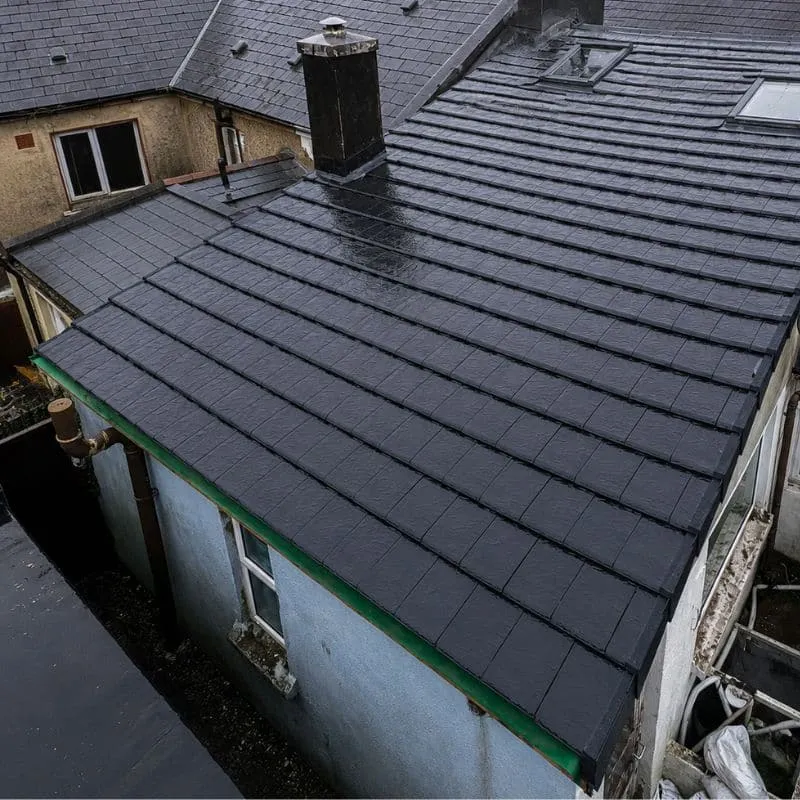
Use condition and events to guide the timing
A roof with a known recurring defect needs a different approach from one with no symptoms and a clear repair history. Exposure to wind and weather, nearby debris, earlier work and the condition of adjoining details all influence when a professional check is useful.
A recent storm, a new damp patch or a visible change is a reason to reassess the situation rather than wait for a date in a calendar. Equally, the age of a roof alone does not establish that it needs replacing. Discuss a sensible approach with a roofer who understands its condition.
This is maintenance advice, not a statement of a legal inspection frequency or an insurer's requirement. Any requirements attached to your property or a proposed report need checking separately.
What you can observe without going onto the roof
From a safe position on the ground, look for visible gaps or displaced slates and tiles, debris at the roof edge and changes in how gutters and downpipes carry rainwater. Indoors, look for new ceiling or wall stains, drips and damp patches that have appeared or spread. Only use views you can reach normally and safely; do not climb a ladder, lean out of a window or enter a difficult loft space to investigate.
- Compare the visible covering with what you remember: has a gap, slipped slate or loose-looking piece appeared, especially after strong winds?
- Notice water overflowing a gutter or running down a wall where it did not before. Observe from indoors or a safe ground-level position, away from anything that could fall.
- Record new indoor stains, drips or a damp patch that is spreading or returning. Note when it appears and whether it follows rain or wind; the mark alone does not establish the cause.
- Keep dated photographs taken safely and the details of earlier repairs. A comparison showing what has changed is useful even if you cannot identify the defect.
If water is near electrical fittings, a ceiling looks unstable or materials could fall, keep away and seek appropriate help. A routine inspection schedule should never delay dealing with an immediate hazard.
When professional assessment is worthwhile
Arrange professional assessment if you notice a new or recurring leak, a spreading indoor stain, displaced slates or tiles, or a visible change around a roof junction after a storm. Repeated gutter overflow also deserves attention, although the cause may be in the drainage rather than the roof covering. Do not wait for the next heavy downpour to see whether an active leak or loose material gets worse. Discuss a roof inspection with Anthony so the affected area can be assessed.
Be clear about the question you need answered. Are you trying to locate a leak, understand a previous repair, plan future work or obtain a written condition report? An inspection should have an agreed purpose and scope; it cannot automatically establish every hidden condition without opening up.
A quotation visit and a written report are different
A visit to discuss a particular repair and prepare a quotation is not the same as a formal written roof inspection. Safeguard provides free roofing quotations, while written inspection requirements should be discussed and priced for the agreed scope.
Safeguard's roof inspections with photographs and a written report have a one-day turnaround. When arranging one, agree the scope and timing with Anthony so it is clear what the report is intended to cover.
If a lender, insurer, solicitor or another third party needs the report, discuss their requirements beforehand. Do not assume that a standard report will satisfy them, or that inspection automatically includes opening concealed parts of the roof.
Keep drainage and maintenance in the picture
An overflowing gutter may need cleaning, repair or a correction to the way it drains. It should not automatically be treated as a failed roof covering. Our Gutter Repairs service explains the different problems that need considering.
Likewise, roof cleaning and moss treatment and roof repairs serve different purposes. Cleaning does not renew failed membrane or repair a damaged junction. Where moss or debris is a concern, discuss the condition of the roof before deciding what work is appropriate.
If condensation or ventilation is a concern, describe the symptoms rather than assuming every indoor moisture mark comes from rain entering through the covering. The cause needs considering before work is recommended.
Prepare a useful brief for Anthony
Send your location and Eircode, the symptoms or concerns, safe photographs and anything known about previous repairs. Say whether you want advice about a specific problem, a quotation or a written report, and whether anyone else has set requirements for it.
Where a defect is found, roof repairs may be the next step. Where no immediate work is needed, the useful outcome is still a clearer understanding of the roof and what changes to watch for. An inspection should support a proportionate decision, not commit you to unnecessary replacement.
If you have noticed a change or want a clearer picture of your roof’s condition, contact Anthony to discuss a roof inspection. Explain what you need to find out so the assessment or written report can be agreed around that purpose.
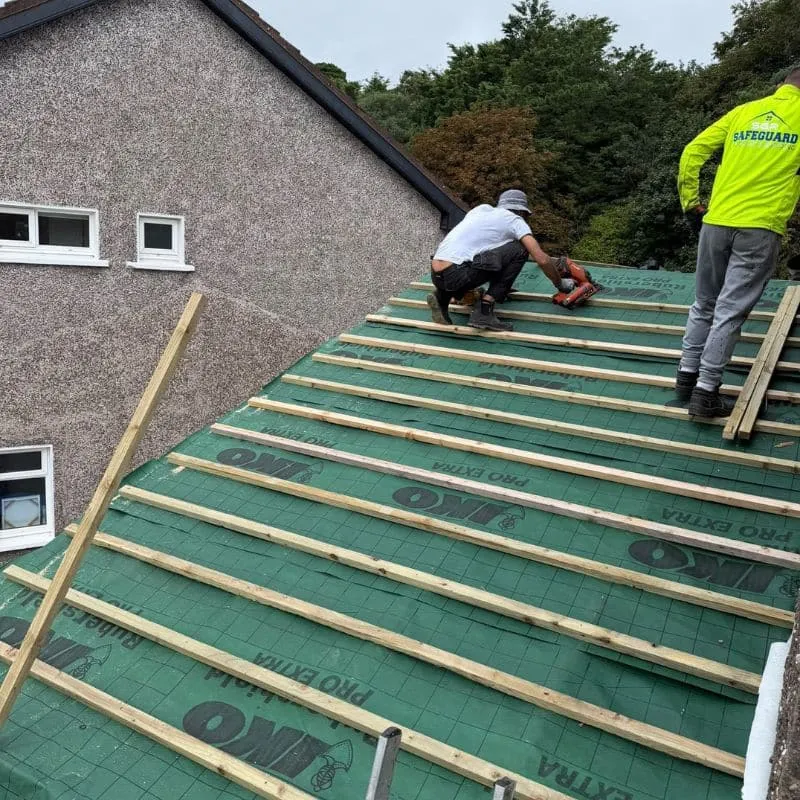
How Do You Know When Your Roof Needs Replacing?
A damaged slate or a single leak doesn't automatically mean a new roof is needed. The question is whether the issue is isolated or whether the covering and underlying system are failing across a wider area.
Read the article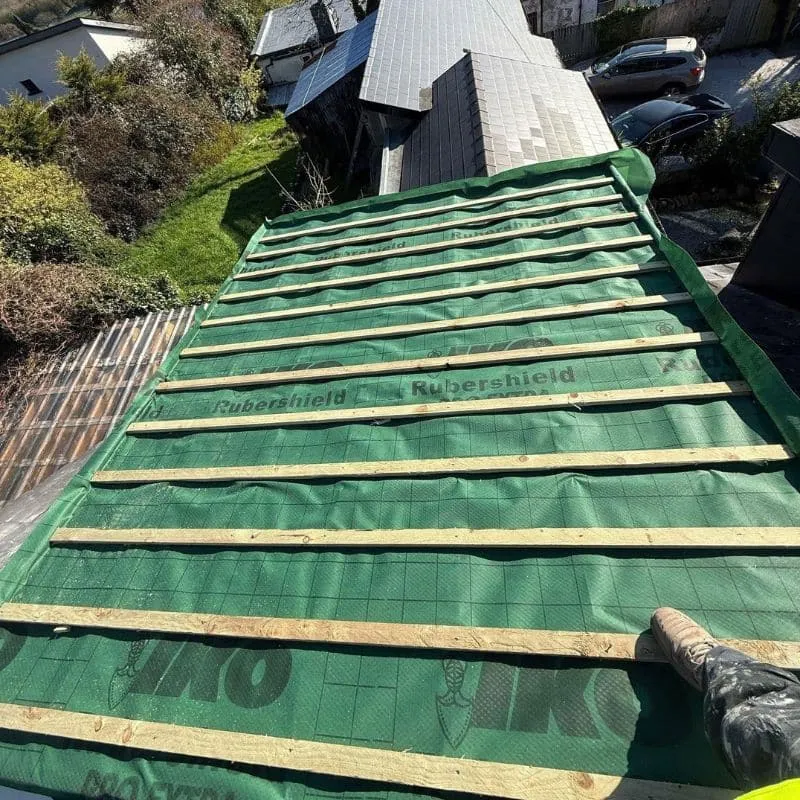
Can Broken or Slipped Roof Slates Be Replaced?
Individual damaged slates can often be replaced where surrounding materials are suitable and compatible replacements are available. Problems with battens, underlay or nearby junctions can make the repair more involved.
Read the article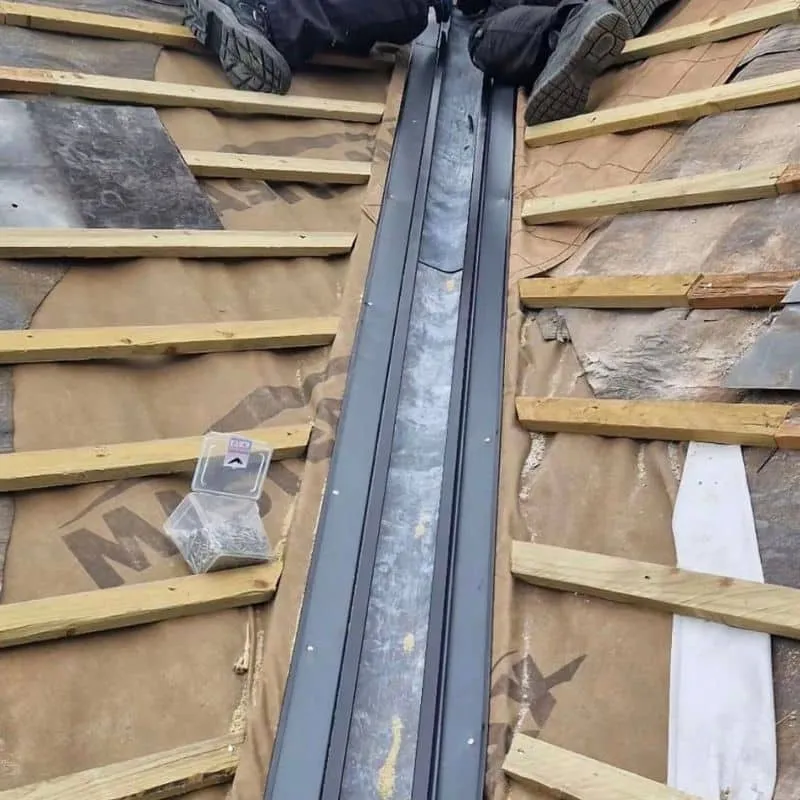
Why Do Roof Valleys Leak, and Can They Be Repaired?
Roof valleys channel water where two slopes meet. Damage to the valley or adjoining details can allow water in, but the position of an indoor damp patch doesn't necessarily identify the entry point.
Read the article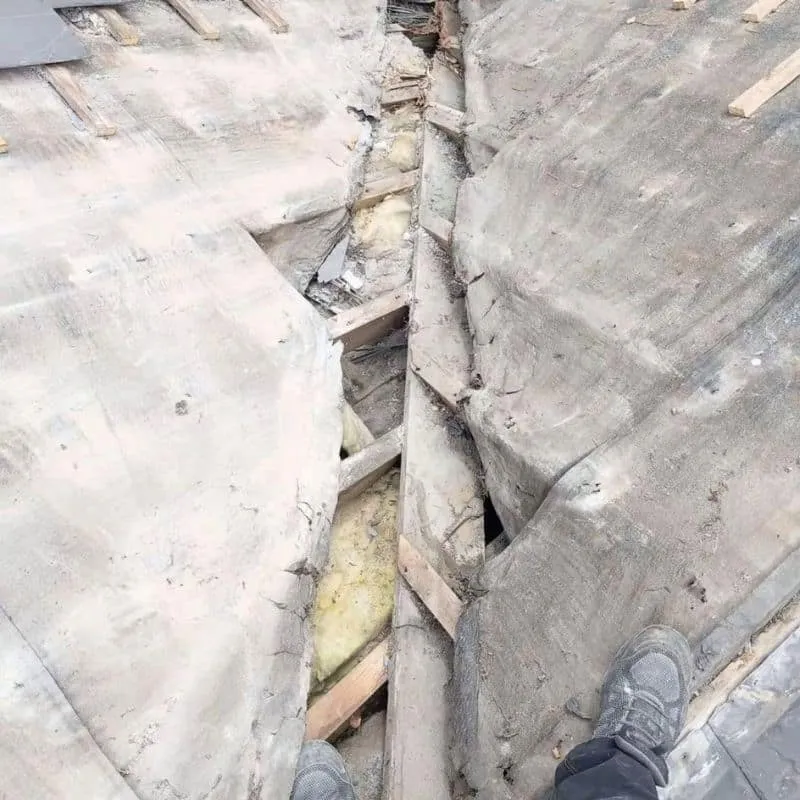
Roof Leaking During a Storm? What to Do Before a Roofer Arrives
If water is coming through during a storm, safety comes first. Keep away from wet electrics, unstable ceilings and the roof itself. Where safe, protect belongings, note what is happening and contact a roofer with your location and symptoms.
Read the article Why Does My Roof Leak Only in Heavy Rain?
Why heavier or wind-driven rain can reveal a roof defect, what the pattern can tell you, and the next steps you can take safely.
Read the article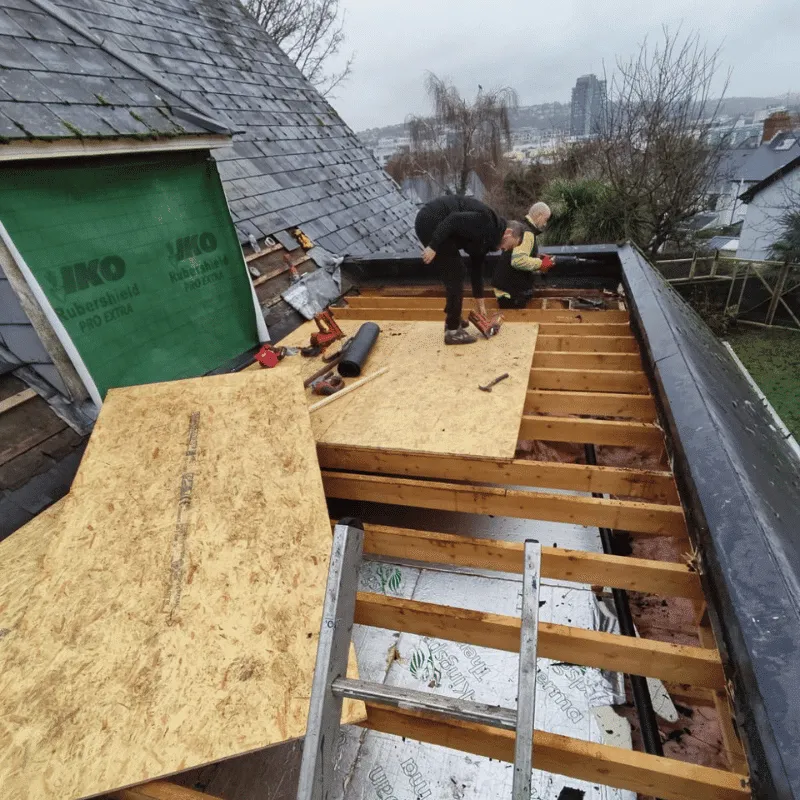
Can a Flat Roof Be Repaired Without Replacing It?
Sometimes a local repair is suitable if the defect is isolated and the surrounding covering and structure remain sound. Repeated leaks, widespread deterioration or damaged decking may change that assessment.
Read the article