
ROOFING ADVICE
Roof Leaking During a Storm? What to Do Before a Roofer Arrives
If water is coming through during a storm, safety comes first. Keep away from wet electrics, unstable ceilings and the roof itself. Where safe, protect belongings, note what is happening and contact a roofer with your location and symptoms.
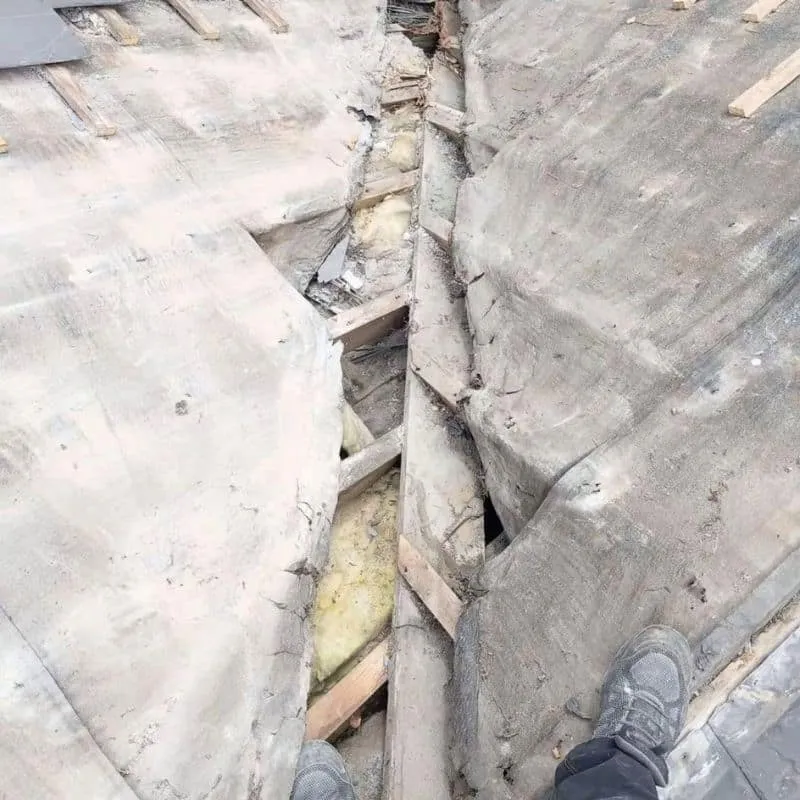
Start with the people in the house
Do not go onto the roof, climb a ladder outside or try to reach loose roofing during a storm. Strong wind, wet surfaces and falling materials make an already uncertain situation more dangerous. Keep people away from any area where materials could fall.
If water is close to lights, sockets, wiring or electrical equipment, do not touch the wet fittings or attempt to work on them. Keep clear and get qualified electrical help. A roofer cannot make an electrical hazard safe simply by stopping the leak.
Stay out of a room beneath a bulging, sagging or visibly unstable ceiling. Do not stand underneath it to inspect or photograph the damage, and do not puncture it. If anyone is in immediate danger, seek emergency assistance.
Limit damage only where it is safe
From a safe, dry position, move belongings away from the affected area if you can do so without approaching wet electrics or an unstable ceiling. A container may catch drips where the ceiling above is sound and the floor is safe to reach. Keep the route clear so nobody slips or trips.
Do not enter a loft during an active storm to hunt for the source, pull at wet insulation or attempt a repair from inside. You do not need to locate the precise entry point before calling. Describing what you can safely see is enough to start the conversation.
Give the roofer a clear picture
When contacting Anthony about emergency roofing in Cork, start with your address and Eircode. Safeguard offers a 24-hour emergency call-out service; explain the situation so attendance arrangements can be discussed. Timing depends on conditions, safe access and availability.
- Where water is appearing, when it started and whether it is still coming in.
- Whether the affected area is near electrical fittings or a damaged ceiling.
- Anything visible from a safe position, such as a displaced slate or overflowing gutter.
- Previous repairs in the same area, if you know about them.
- Access information and photographs taken from the ground or a safe indoor position.
A wide photograph showing the room or roof area can be more useful than a close-up with no context. Do not take risks to obtain one, and do not delay reporting a dangerous situation while gathering pictures.
Temporary securing is not always the finished repair
An emergency visit may focus on assessing the situation and limiting further water entry where conditions allow. It may not be possible to complete a permanent repair during the same visit. Temporary protection and the work needed to resolve the defect should be discussed separately.
Ask what has been secured, what remains to be investigated and what to do if the situation changes. Do not assume that an emergency call-out has renewed every damaged layer or dealt with hidden deterioration.
After the storm: find the cause before choosing the work
Once assessment can be carried out safely, the roof covering, junctions, drainage and underlying materials may need checking. Water can travel before becoming visible indoors, so a damp patch directly below a valley or chimney is a clue rather than a diagnosis.
Our guide to roofs that leak only in heavy rain explains that investigation in more detail. For the work itself, see roof repairs and leak assessment. A single leak does not automatically require replacement of the entire roof.
If permanent work is recommended, ask for the scope and price to be clear. The Roof Repair Cost Guide gives indicative background, not a confirmed emergency charge. Published prices are plus VAT and exclude scaffolding; the quotation for your property should identify the proposed work.
If your roof is leaking now, contact Anthony to discuss emergency attendance. Once the immediate problem is assessed, he can explain the next steps towards a lasting roof repair.
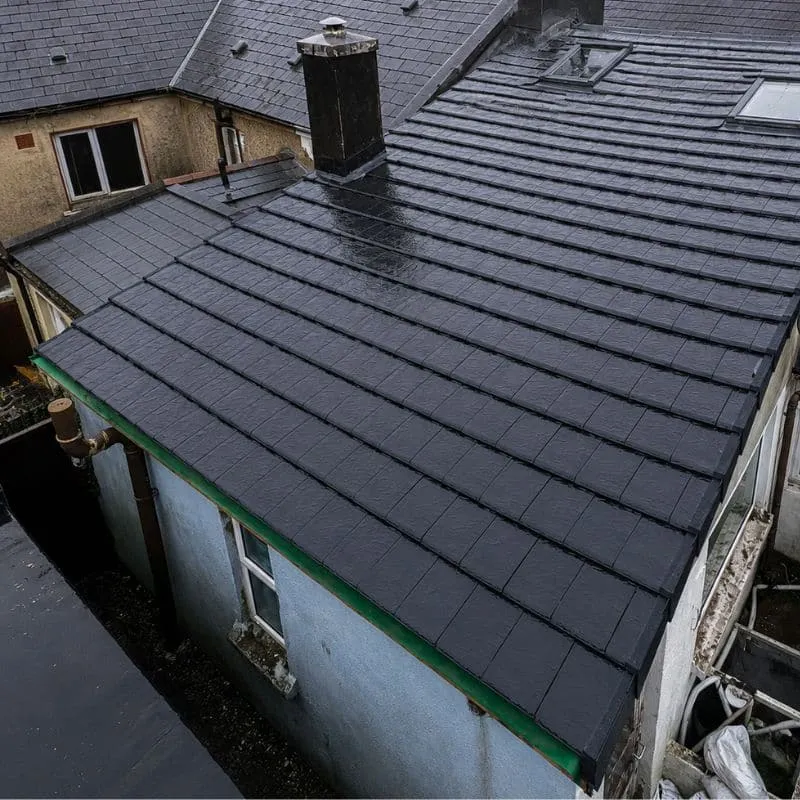
How Often Should You Have Your Roof Inspected in Ireland?
There isn't one inspection interval suitable for every roof. Its age, condition, exposure, previous repairs and recent damage all influence when professional assessment may be worthwhile.
Read the article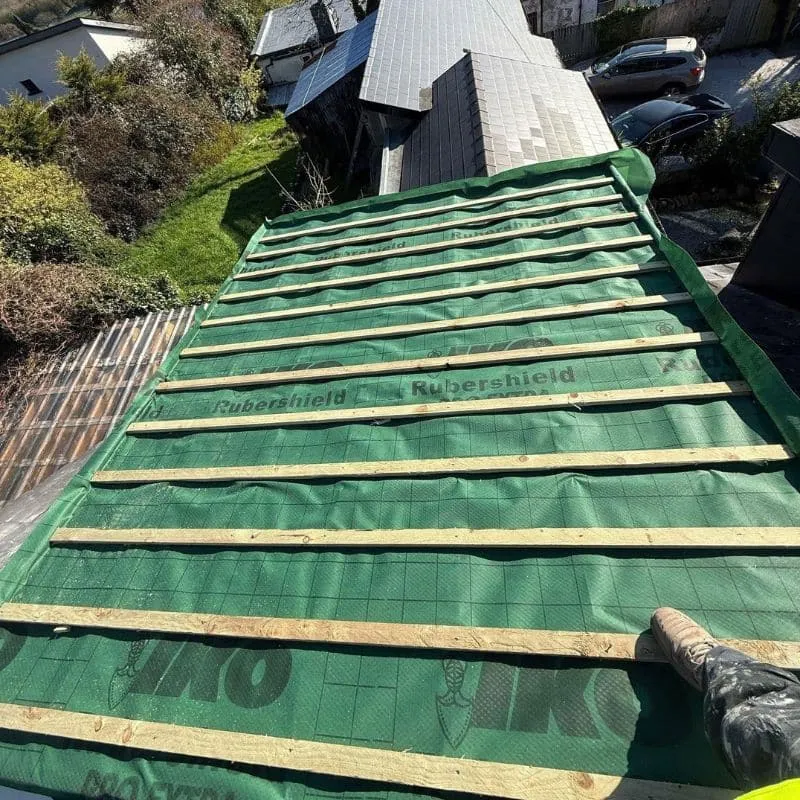
Can Broken or Slipped Roof Slates Be Replaced?
Individual damaged slates can often be replaced where surrounding materials are suitable and compatible replacements are available. Problems with battens, underlay or nearby junctions can make the repair more involved.
Read the article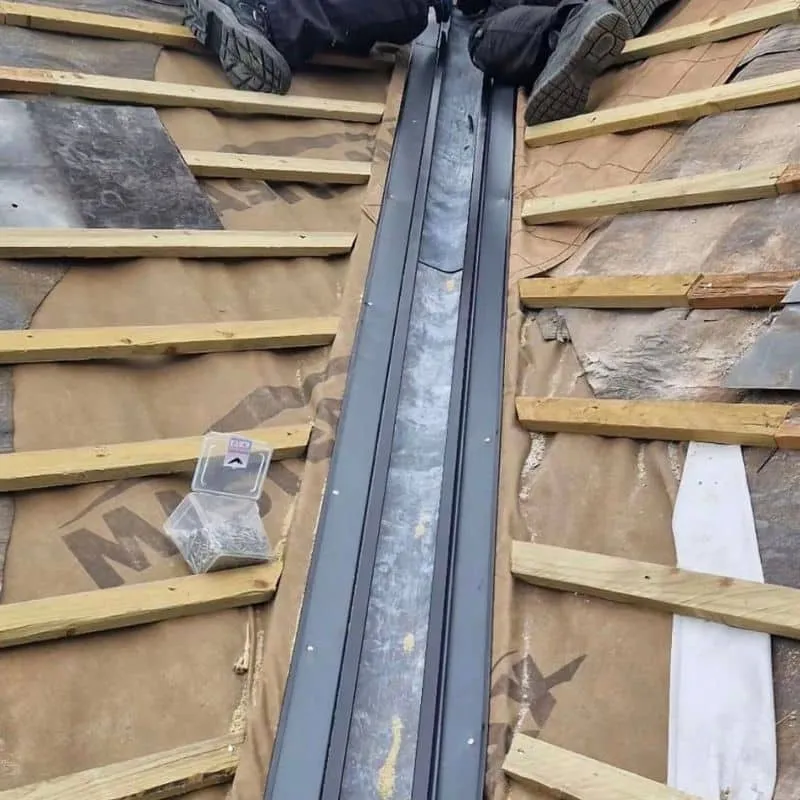
Why Do Roof Valleys Leak, and Can They Be Repaired?
Roof valleys channel water where two slopes meet. Damage to the valley or adjoining details can allow water in, but the position of an indoor damp patch doesn't necessarily identify the entry point.
Read the article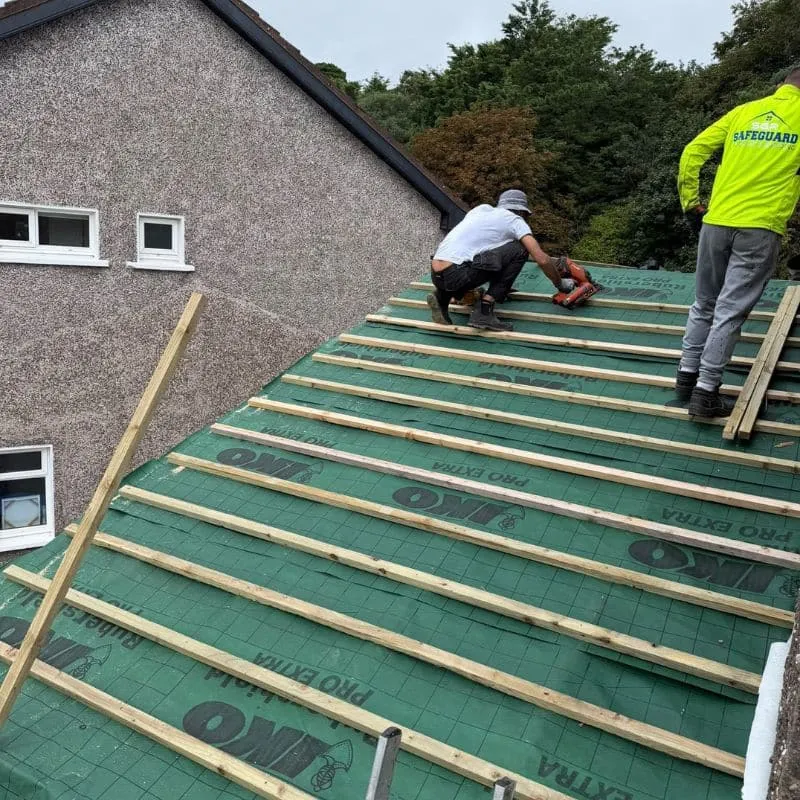
How Do You Know When Your Roof Needs Replacing?
A damaged slate or a single leak doesn't automatically mean a new roof is needed. The question is whether the issue is isolated or whether the covering and underlying system are failing across a wider area.
Read the article Why Does My Roof Leak Only in Heavy Rain?
Why heavier or wind-driven rain can reveal a roof defect, what the pattern can tell you, and the next steps you can take safely.
Read the article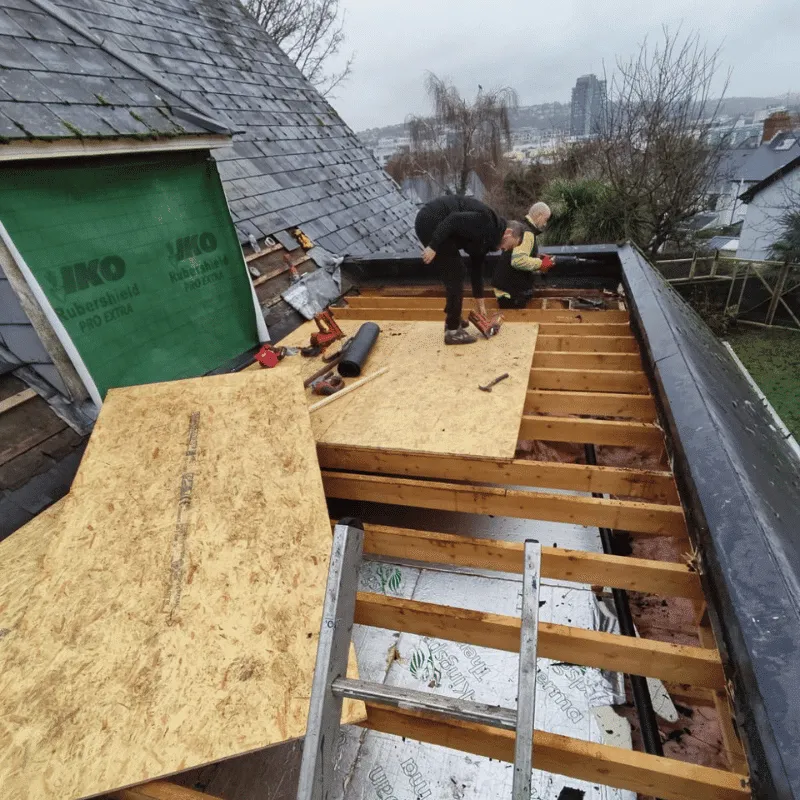
Can a Flat Roof Be Repaired Without Replacing It?
Sometimes a local repair is suitable if the defect is isolated and the surrounding covering and structure remain sound. Repeated leaks, widespread deterioration or damaged decking may change that assessment.
Read the article